Practical Planning
What Should You Book in Advance in Norway?
Some parts of a Norway trip are worth locking in early. Others are better left flexible. The useful question is not “How early should I book Norway?” but “What would actually damage my itinerary if I lost it?”
Practical Norway · Based in Oslo
Last reviewed: September 2026
Availability, ticket-release periods, cancellation terms, schedules, and seasonal operations can change. Check current details before booking.
BOTTOM LINE
Bottom line
Do not book everything as early as possible.
Instead, protect the parts of the trip that hold the route together.
Book early when losing a specific accommodation, departure, vehicle, or experience would force you to change the itinerary.
Monitor it when you have a preference but realistic alternatives still exist.
Leave it flexible when losing one particular option would have little effect on the trip.
That approach gives you enough certainty where it matters without turning the entire vacation into a chain of fixed reservations.
Book early, monitor, or stay flexible?
| Book Early | Monitor | Usually Flexible | |
|---|---|---|---|
| What belongs here | Things the itinerary depends on and that may have limited practical substitutes | Things you care about but could replace without rebuilding the trip | Things with enough alternatives that losing one option would not materially affect the route |
| Why it belongs here | Losing it could force a change of destination, date, route, or overnight stop | Waiting carries some risk, but you still have reasonable fallback choices | Keeping options open may be more useful than committing early |
| Consequence of waiting | Potentially significant | Usually manageable | Usually small |
| Typical examples | Route-critical accommodation, fixed transport, or a specific experience the itinerary depends on | City accommodation, flights, standard rental cars, or preferred activities where alternatives remain | Local transport and non-route-critical sightseeing where you have several workable options |
| Planning posture | Protect it once the route is sound | Check availability as the trip develops | Keep it open unless there is a specific reason to reserve |
How to decide what deserves early booking
The easiest way to make this decision is to stop thinking in terms of travel categories and start thinking about consequences.
A hotel is not automatically an early booking. A train is not automatically flexible. An activity is not automatically optional.
What matters is the role that particular reservation plays in your itinerary.
Ask three questions
- Would losing this option force me to change the route?
- How many realistic substitutes would I still have?
- Does this reservation anchor other parts of the trip?
The more important the booking is to the structure of the trip, and the fewer acceptable substitutes you have, the earlier it deserves a commitment.
Book Early
Put something in the Book Early category when the rest of the itinerary depends on it.
That often matters most in smaller places, on routes with a particular departure you need, or when you have deliberately chosen one specific experience as part of the trip.
The point is not to predict exactly when something will become unavailable.
The point is to identify the reservations you do not want to discover too late that you cannot get.
Examples worth protecting early
- Accommodation in a smaller or more constrained destination when staying there is important to the route
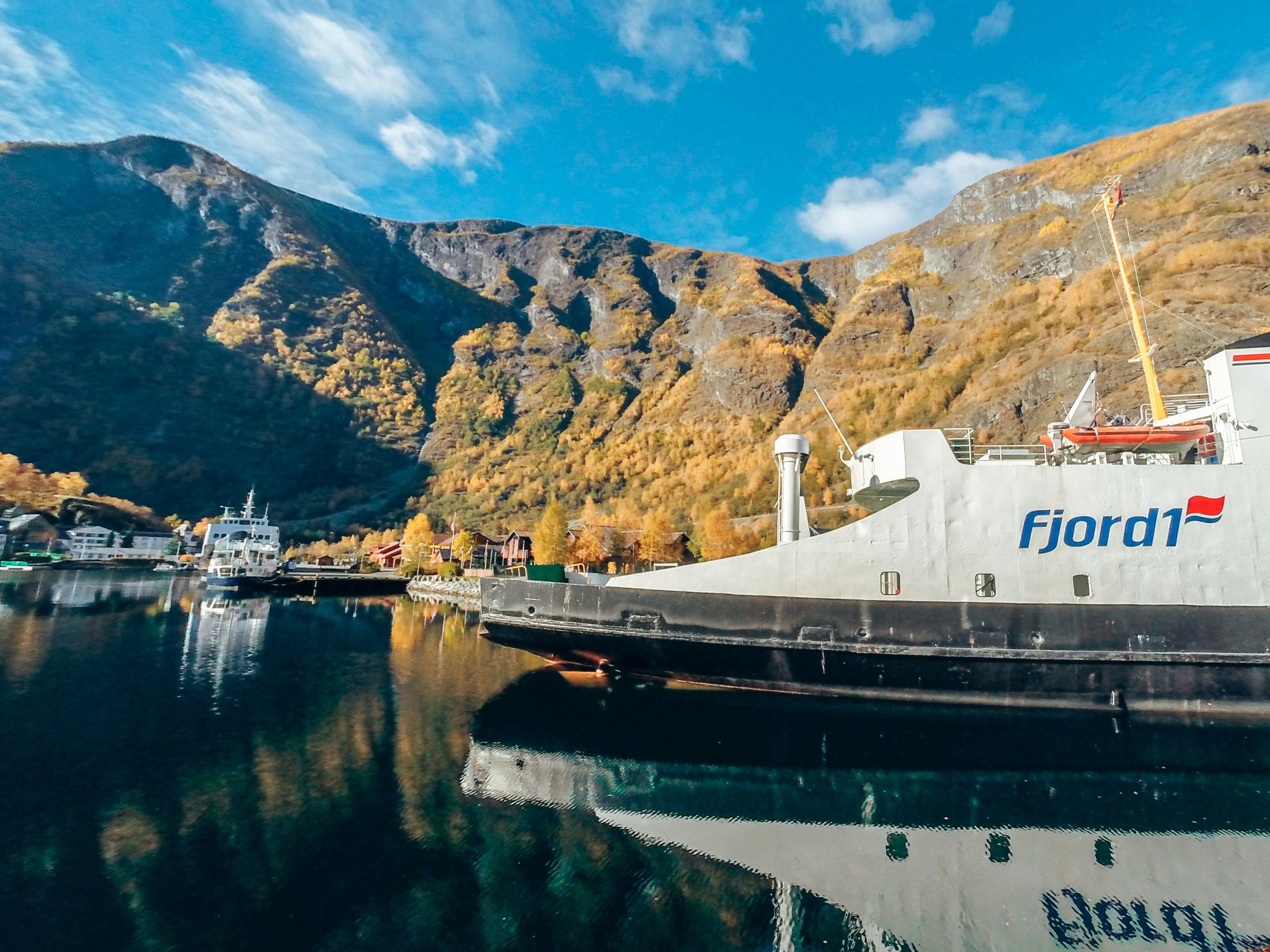
- A fjord trip or other limited-capacity experience when a particular departure is built into the itinerary
- Long-distance or scenic transport when you need a specific departure to make the rest of the route work
- A rental car when the itinerary depends on a particular collection point, return plan, vehicle need, or one-way arrangement
Make these bookings only after the overall route makes sense. Booking early is useful only when you are confident you actually want the itinerary it commits you to.
For western Norway, compare Bergen, Flåm or Aurland before choosing the property.
First decide whether the itinerary actually needs one: Should You Rent a Car in Norway?
Monitor
The Monitor category is where a lot of normal trip planning belongs.
These are reservations where you have a preferred option, but losing it would be inconvenient rather than disastrous.
You do not need to panic-book them. You also should not assume that the exact option you want will remain available indefinitely.
Examples to monitor
- A preferred hotel in a city where you would accept other hotels or nearby areas
- A domestic flight when several workable ways of structuring that part of the trip remain
- A standard rental car when the trip is not dependent on an unusual vehicle or one-way arrangement
- An activity where you prefer a certain departure or time but could adjust the day if necessary
This is the category where checking occasionally makes more sense than either booking everything immediately or ignoring availability until the last minute.
If Oslo accommodation is one of those decisions, start with Oslo Neighborhoods: Where to Stay and What Each Area Is Like.
Usually Flexible
Some parts of the trip simply do not need to carry much planning pressure.
If there are several workable substitutes and losing one option would not change the route, keeping that part flexible can be an advantage.
Flexibility gives you room to react to weather, energy levels, or a change in what you actually want to do once you are in Norway.
What I am more comfortable leaving open
- Local transport that does not require a route-critical reservation
- Sightseeing choices where several alternatives would make you equally happy
- Non-essential activities that can move to another part of the day or trip
- Decisions where booking early would add commitment without meaningfully reducing risk
Flexible does not mean “never check.”
It means there is no strong reason to give up flexibility before you need to.
How peak periods change the answer
The same itinerary can carry different booking risk depending on when you travel.
During periods of higher demand, the margin for waiting becomes smaller—especially when you need a particular place to stay, a particular departure, or an option with limited substitutes.
That matters even more in smaller destinations where losing one reservation can affect the next part of the route.
In quieter periods, you may have more room to preserve flexibility.
But I still would not use one universal rule such as “book Norway six months ahead.” The important question remains what your particular itinerary depends on.
I would be more cautious when
- Traveling during a peak period
- Staying in smaller or capacity-constrained destinations
- Depending on a specific transport departure
- Building the day around a limited-capacity experience
- Having very few acceptable substitutes
Higher demand should change how carefully you manage the important bookings. It does not mean every part of the trip suddenly needs to be reserved far in advance.
A common booking mistake
One of the easiest ways to make a Norway itinerary harder is to start with individual bookings instead of the route.
You find a hotel you like, reserve an activity on another day, buy a transport ticket, and then discover that the pieces do not fit together cleanly.
I would reverse the order.
First decide where you are going and in what sequence.
Then identify the reservations that hold that route together.
Book those first. Add the less important commitments afterward.
Check before you book
Availability, schedules, ticket-release periods, seasonal operations, and booking terms can change.
Before committing, check the current information for the exact date, route, operator, property, or vehicle you plan to use.
- Rail and long-distance transport
- Official transport operator
- Fjord transport and activities
- Official operator or destination source
- Accommodation availability
- Booking provider or property directly
- Rental cars
- Rental company or comparison provider
- Seasonal operations
- Relevant official operator or destination source
Build the route before the reservation list
The easiest way to know what deserves early booking is to build a realistic itinerary first. Once the route is clear, the important reservations usually become obvious.